
Ingredient Science
How ingredients and formulation choices affect pet wash, care and grooming products.
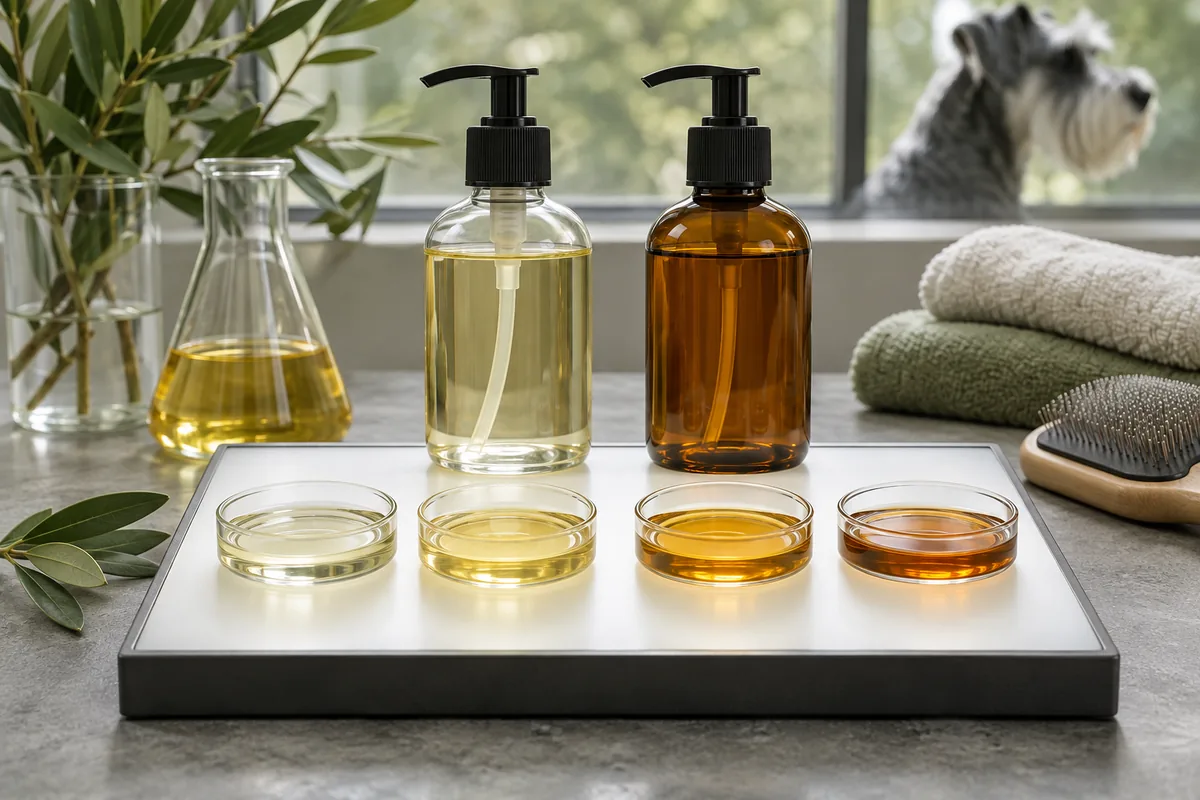
Pet Coat Oils: Compare Oxidation, Dispensing and Shelf-Life Evidence
An oil can give an attractive finish at sampling and develop an unwanted odor in storage. Buyers choosing between a dropper and a pump need to consider how t…
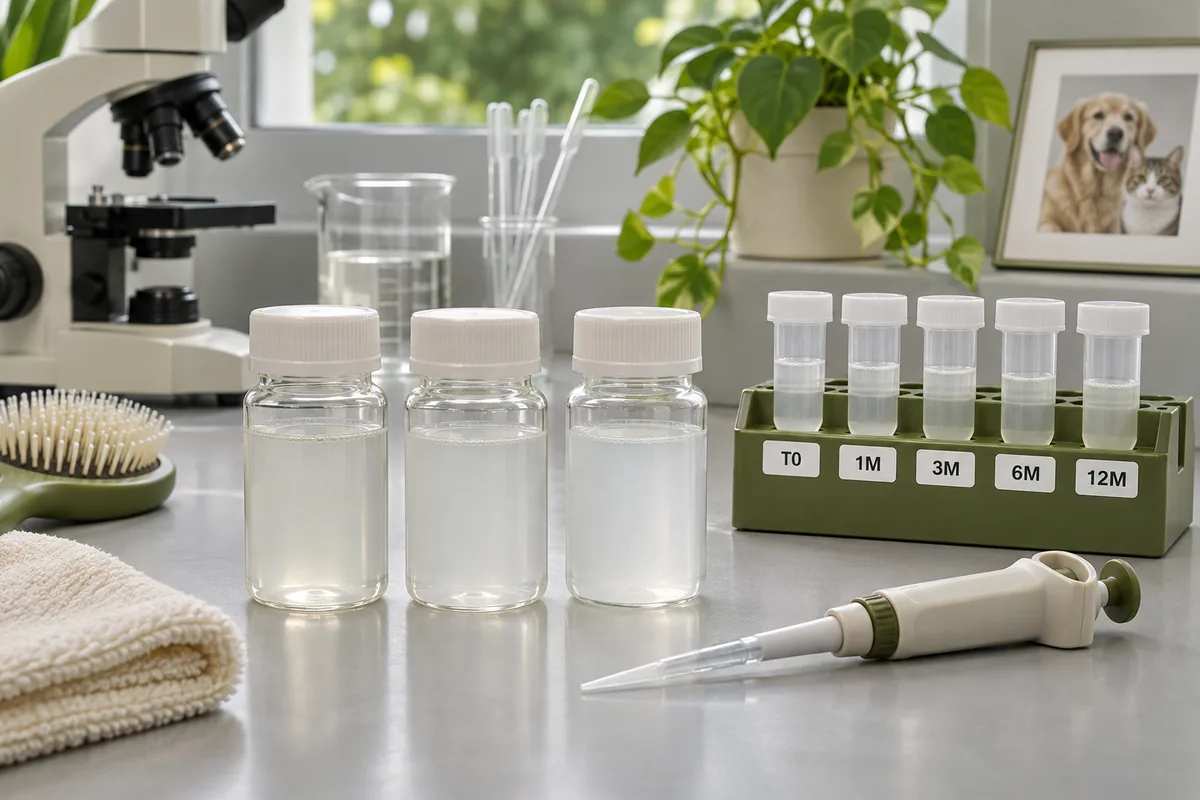
Water-Based Pet Care Products: What Preservation Evidence to Request
A sealed sample can look and smell normal through a buying meeting. Appearance alone gives a buyer little evidence about microbiological quality or about pro…
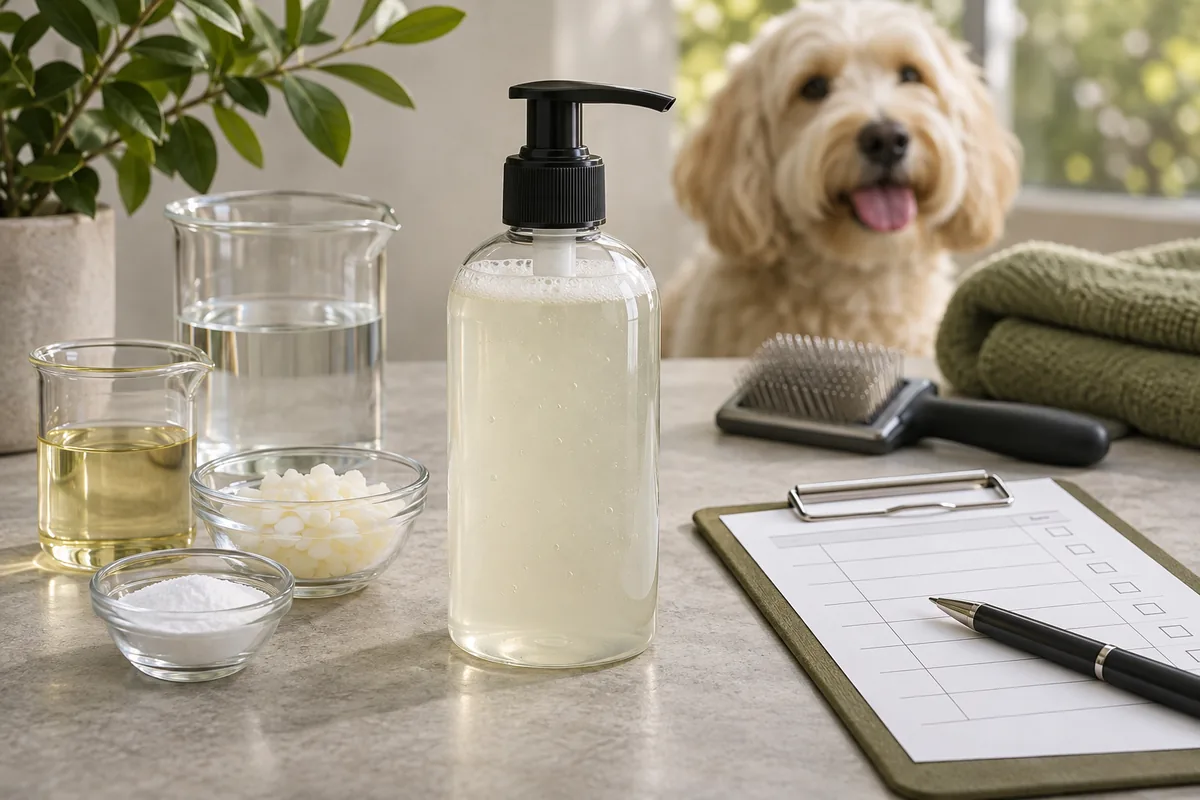
Fragrance-Free Pet Grooming Products: Define the Brief Before Sampling
One buyer asks for fragrance-free and another asks for “no noticeable smell.” The resulting samples can differ because a fragrance-free base may still smell …
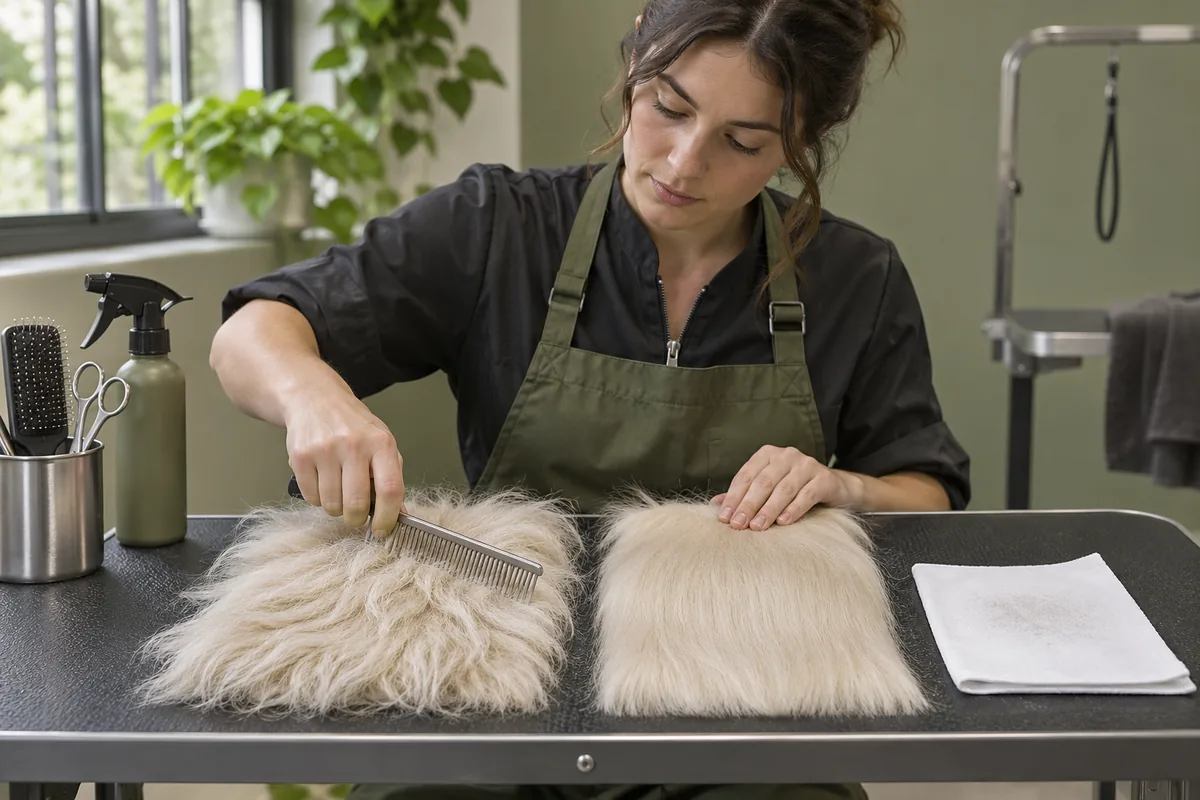
Pet Coat Conditioners: How to Compare Detangling and Residue
A leave-in spray can make the first comb pass feel easier but leave a fine coat heavy the next day. Evaluating only the freshly applied sample misses a trade…
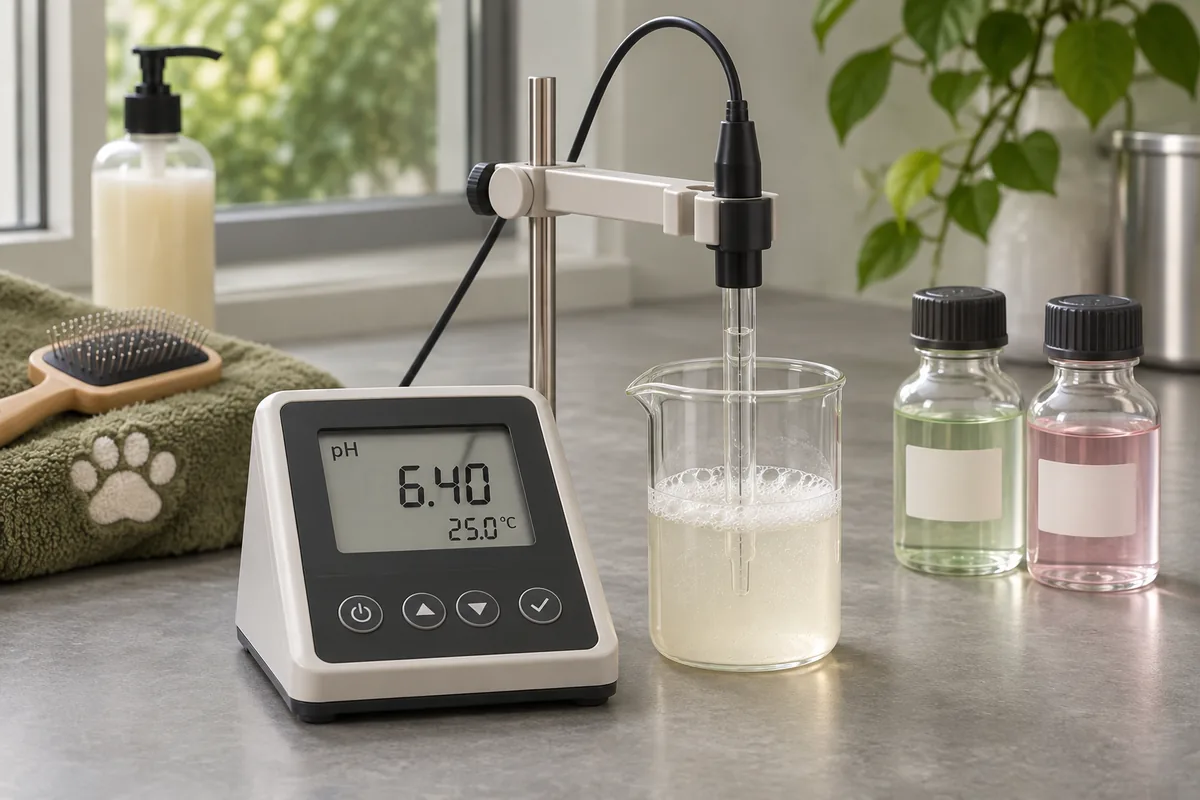
Pet Shampoo pH: How to Specify a Repeatable Batch Measurement
Two labs send different pH values for the same shampoo. Before rejecting the batch, find out whether one measured the bulk while the other measured a dilutio…
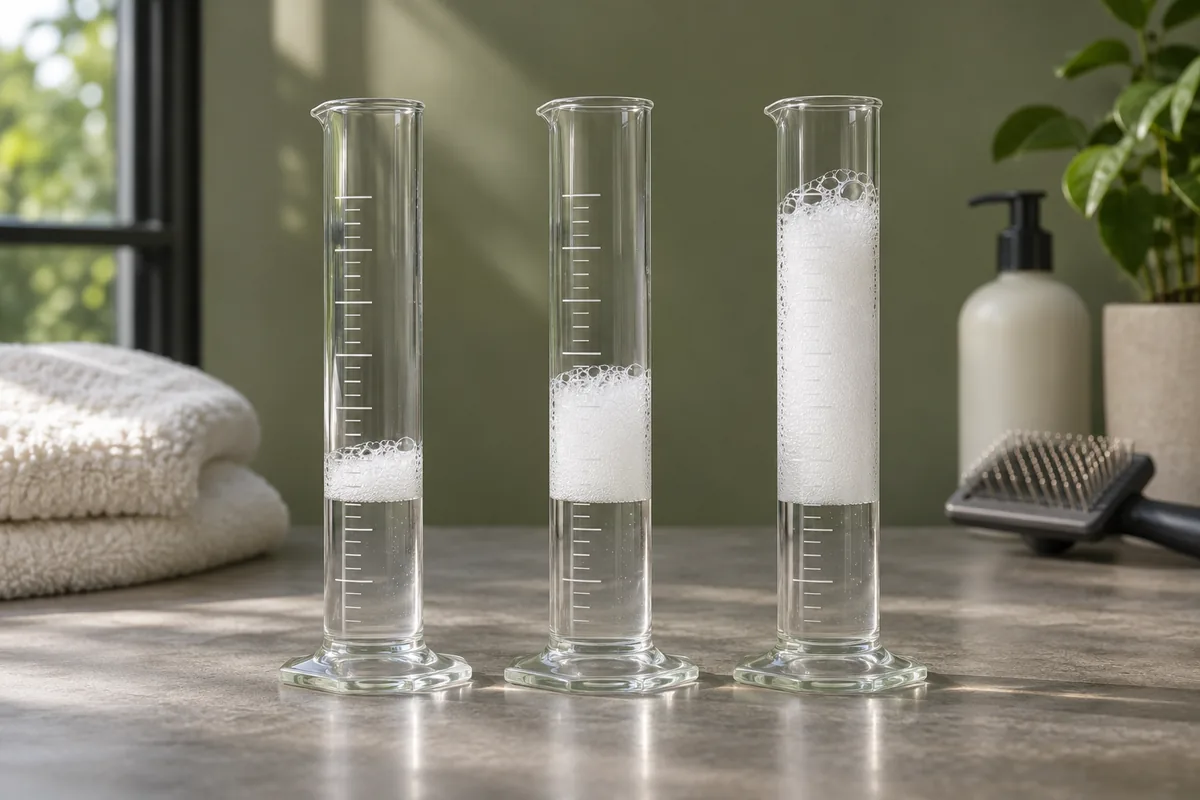
Dog Shampoo Surfactants: Compare Cleansing at the Same Active Level
A raw-material quote lists two surfactant blends at different prices per kilogram. One is supplied at a lower concentration. Comparing the drum prices direct…
Start a Project
Have a Product in Mind?
Share your project brief so we can discuss formulas and costs for your product category.
- 01A project specialist responds within one business day.
- 02Receive formula and fragrance recommendations and preliminary costing within 48 hours.
- 03Samples for standard projects are available seven business days after proposal approval. Sample fees can be credited against production.
Request a Custom Proposal
We respond within one business day.