Table of contents
- Distinguish added scent from base odor
- Buyer comparison
- Practical buying guide
- Frequently asked questions
- Conclusion
Distinguish added scent from base odor
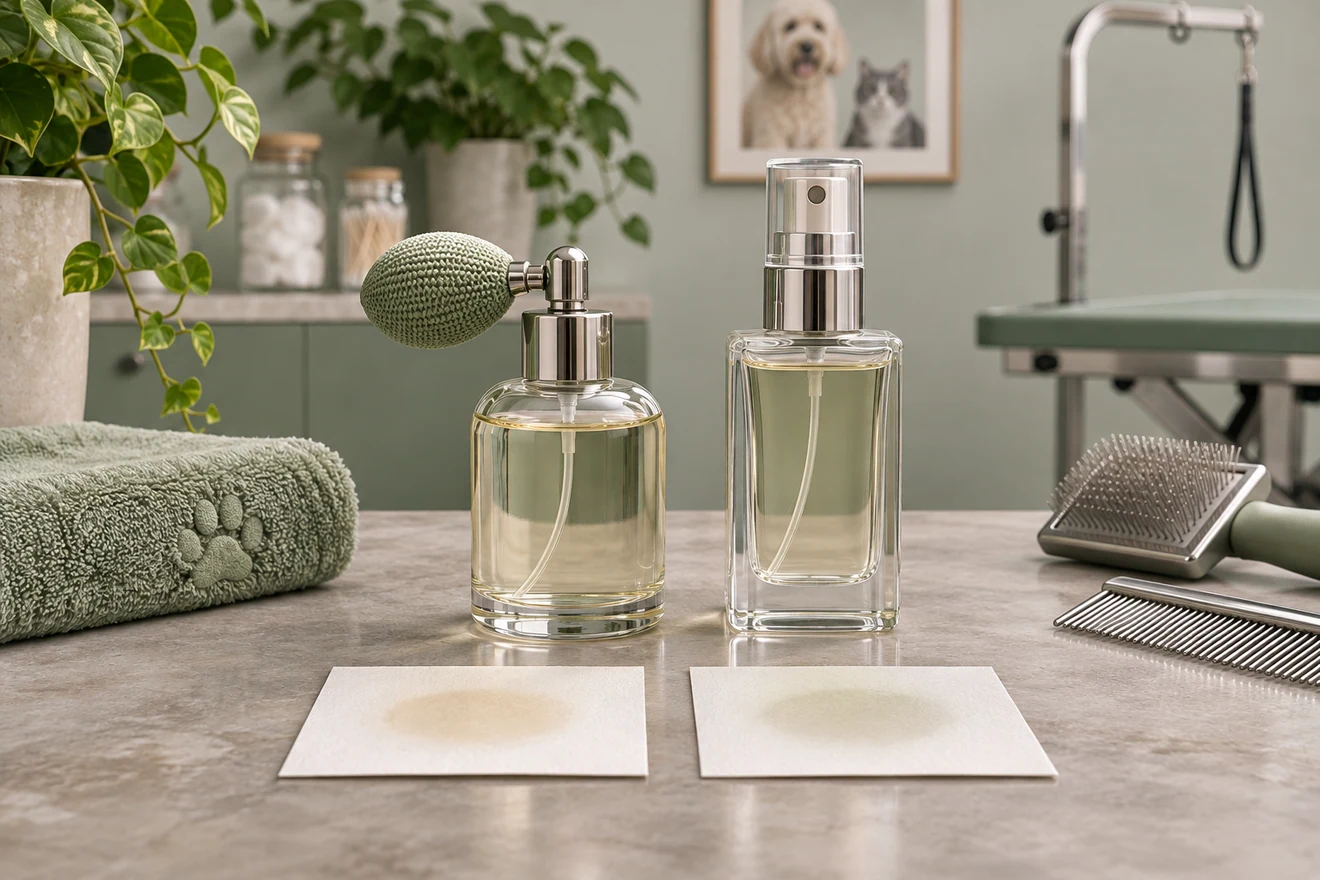
Surfactants, oils and packaging can contribute odor. A masking fragrance can change what a panel perceives even if the finished sample smells neutral. Ask for the supplier's definition and supporting composition information before finalizing a claim. Use blind-coded samples, a clean reference pack and agreed evaluation points, including after drying.
Buyer comparison
| Item | What to compare | Buying implication |
|---|---|---|
| No added fragrance brief | Document intentional additions | Review masking materials with the formulator. |
| Low-odor target | Assess perceived odor under a defined protocol | Test fresh and aged samples. |
| Scented benchmark | Compare intensity at a fixed dose | Record preference separately from strength. |
Practical buying guide
- Write the desired label wording and sensory target as separate requirements.
- Evaluate the unscented base in both neutral lab glass and the proposed retail pack.
- Confirm any revision with a new formula identifier and review claims for the destination.
Related reading
- IFRA Certificates for Pet Fragrances: Questions to Ask Before Sampling
- Pet Coat Conditioners: How to Compare Detangling and Residue
Review the OEM sampling process.
Frequently asked questions
What should a technical sample request specify?
State the species, use site, rinse-off or leave-on directions and intended dispenser. Send the same brief to each supplier.
How should samples be identified?
Assign blind trial codes, then retain a separate key linking each code to the formula revision and batch.
When should a brand repeat an assessment?
Ask for a documented review whenever the ingredient source, formula, use directions or pack changes in a way that may affect the result.
Will a fragrance-free shampoo smell of nothing?
Its base can retain a characteristic odor.
Can packaging affect scent?
Compare the same batch in a reference vessel and the proposed pack.
Does unscented establish suitability for cats?
Review complete formulation and exposure separately.
When should a panel assess the coat?
Set fixed points during use and after drying.
How should a complaint be investigated?
Obtain the lot, storage history and retained sample before comparing odor.
Conclusion
A precise sensory brief reduces unnecessary reformulation. Ask the supplier to meet both the agreed ingredient policy and the defined odor target.
WhatsApp +86 15346717907
Email adon@oempetcaresupplier.com
Website oempetcaresupplier.com